Project Collaboration Tools: Best Must-Have Team Management Apps
Enhancing Team Efficiency with the Best Project Collaboration Tools
In today’s fast-paced work environment, effective communication and seamless coordination among team members are essential for the success of any project. Whether teams are working remotely or in the same office, leveraging the right technology can drastically improve productivity. Project collaboration tools have emerged as vital assets that enable teams to manage tasks, share ideas, and stay aligned on goals. Understanding which applications best support these workflows can transform the way groups operate, ensuring timely completion and quality outcomes.
Why Project Collaboration Tools Are Essential for Modern Teams
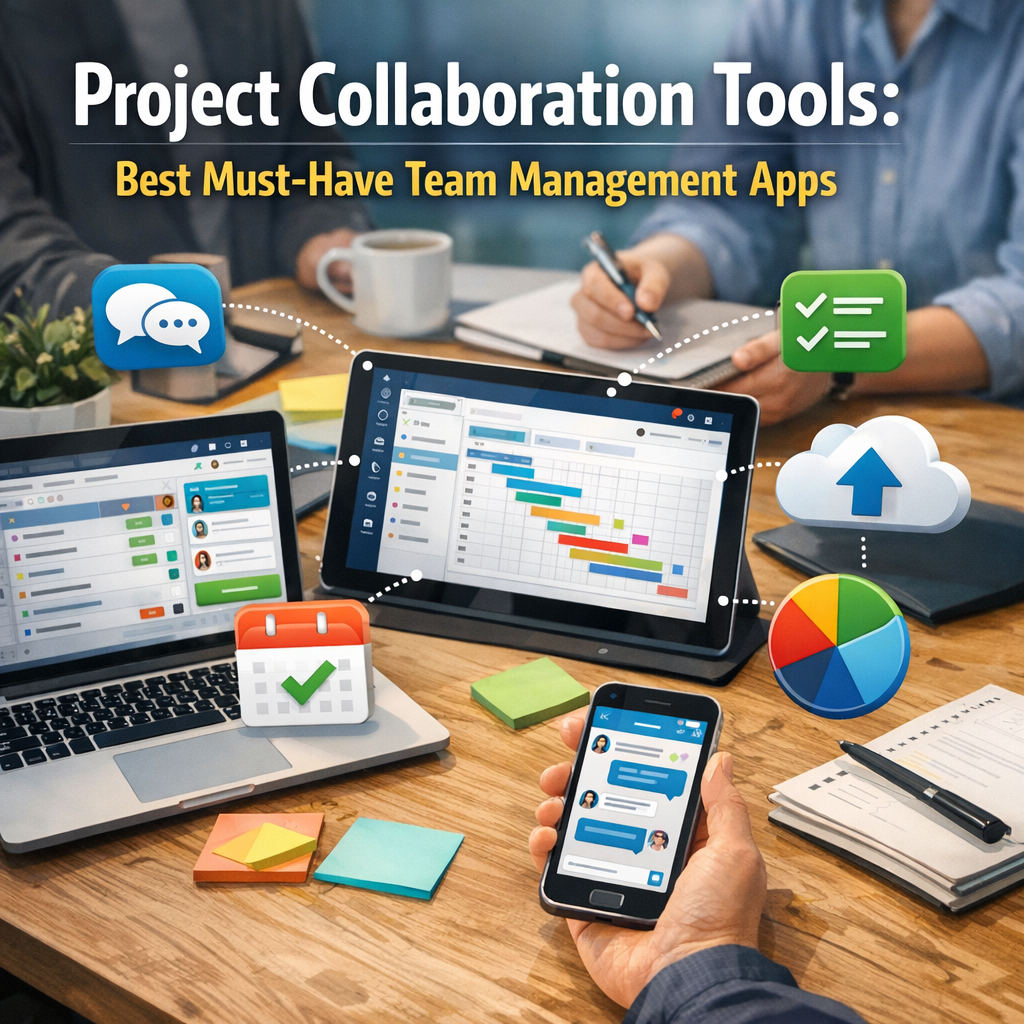
Modern projects often involve multiple stakeholders, varying deadlines, and complex deliverables. Without strong coordination, miscommunication and delays are almost inevitable. Project collaboration tools streamline these complexities by offering centralized platforms where teams can communicate, assign tasks, track progress, and store important files securely. With features like real-time messaging, document sharing, task boards, and calendar integrations, these tools foster transparency and accountability.
Using the right apps also allows for better resource allocation, reduces duplication of effort, and helps identify potential roadblocks early. As remote work and hybrid models become prevalent, having digital solutions that bring teams together regardless of location has never been more critical.
Key Features to Look for in Project Collaboration Software
When selecting project collaboration tools for team management, it is important to consider several attributes to ensure the app will adequately support your project needs. Here are some must-have features:
– Task Management: Ability to create, assign, prioritize, and track tasks with deadlines.
– Communication Channels: Built-in chat, video conferencing, or comment threads for seamless discussions.
– File Sharing and Storage: Secure and easy access to project documents, with version control.
– Integration Capabilities: Compatibility with other commonly used business tools like calendars, email, or CRM systems.
– User-Friendly Interface: Intuitive design to encourage team adoption and minimize learning curves.
– Reporting and Analytics: Tools to monitor productivity, progress, and generate actionable insights.
Having these functionalities ensures that teams can collaborate effectively without juggling multiple disconnected platforms.
Best Must-Have Team Management Apps
While there are numerous options available, several stand out due to their robust features, reliability, and widespread use.
1. Trello
Trello is a visual task management platform that uses boards, lists, and cards to organize work. It is especially suitable for teams that appreciate a simple, flexible layout. Users can assign tasks, set due dates, attach files, and comment within cards, keeping all relevant information in one place. Trello’s drag-and-drop functionality and numerous integrations with apps like Slack and Google Drive make it a top choice for project collaboration.
2. Asana
Asana provides a comprehensive environment for managing projects of any size. Its strength comes from detailed task assignments, dependencies, and milestone tracking. Teams can view projects through lists, boards, timelines, or calendars, adapting to their preferred workflow style. With automated reminders and progress reports, Asana keeps everyone on the same page and reduces administrative burdens.
3. Microsoft Teams
Ideal for organizations already using Microsoft Office 365, Microsoft Teams combines chat, video meetings, file sharing, and collaborative document editing within a single hub. It enables real-time communication and integrates seamlessly with other Microsoft apps, enhancing productivity. The platform supports external guest access, making it easy to collaborate with clients or contractors.
4. Slack
Primarily focused on communication, Slack offers channels for topic-based discussions alongside direct messaging and integrations with hundreds of other tools. This makes it a perfect supplement to task management software for instant collaboration. Features like searchable message history, bots, and customizable notifications help teams stay connected and informed throughout the project lifecycle.
5. Monday.com
Monday.com is a highly customizable work operating system that supports various project management methodologies, including Agile and Waterfall. Its visual dashboards give managers and team members an overview of project status and resource allocation. With automation features and an intuitive interface, Monday.com reduces routine work while enhancing collaboration.
Tips for Maximizing the Benefits of Collaboration Tools
Implementing project collaboration tools is just the beginning. To fully realize their benefits, teams should:
– Establish Clear Guidelines: Define how and when to use the tools effectively to maintain consistency.
– Encourage Regular Updates: Ensure team members keep their progress and tasks current to avoid miscommunication.
– Offer Training: Provide onboarding sessions to help users become comfortable and avoid underutilization.
– Leverage Integrations: Connect collaboration tools with existing systems to create a unified workflow.
– Regularly Assess Usage: Periodically review how tools are supporting your projects and adjust as needed.
By proactively managing these aspects, teams can turn collaboration apps into powerful enablers of project success.
Conclusion
Incorporating the right project collaboration tools is fundamental for streamlining communication and boosting productivity within any team-oriented environment. By carefully selecting applications that offer essential task management, communication, and integration features, organizations can ensure smoother workflows and more efficient project deliveries. Whether it’s through Trello’s simplicity, Asana’s depth, or Microsoft Teams’ integration capabilities, there is a solution tailored to every team’s unique needs. Embracing these technologies and fostering good collaboration habits will empower teams to achieve their goals with confidence and clarity.