Work Management Software: Best Must-Have Tools for Effortless Success
Work Management Software: Best Must-Have Tools for Effortless Success
In today’s fast-paced business environment, staying organized and efficient is essential for achieving success. Whether you’re managing a small team or overseeing a large project, leveraging the right work management software can transform the way you operate. These tools streamline workflows, enhance collaboration, and ensure that deadlines are met without the usual chaos. In this article, we’ll explore the best must-have work management software tools that can help businesses and individuals achieve effortless success.
Understanding the Importance of Work Management Software
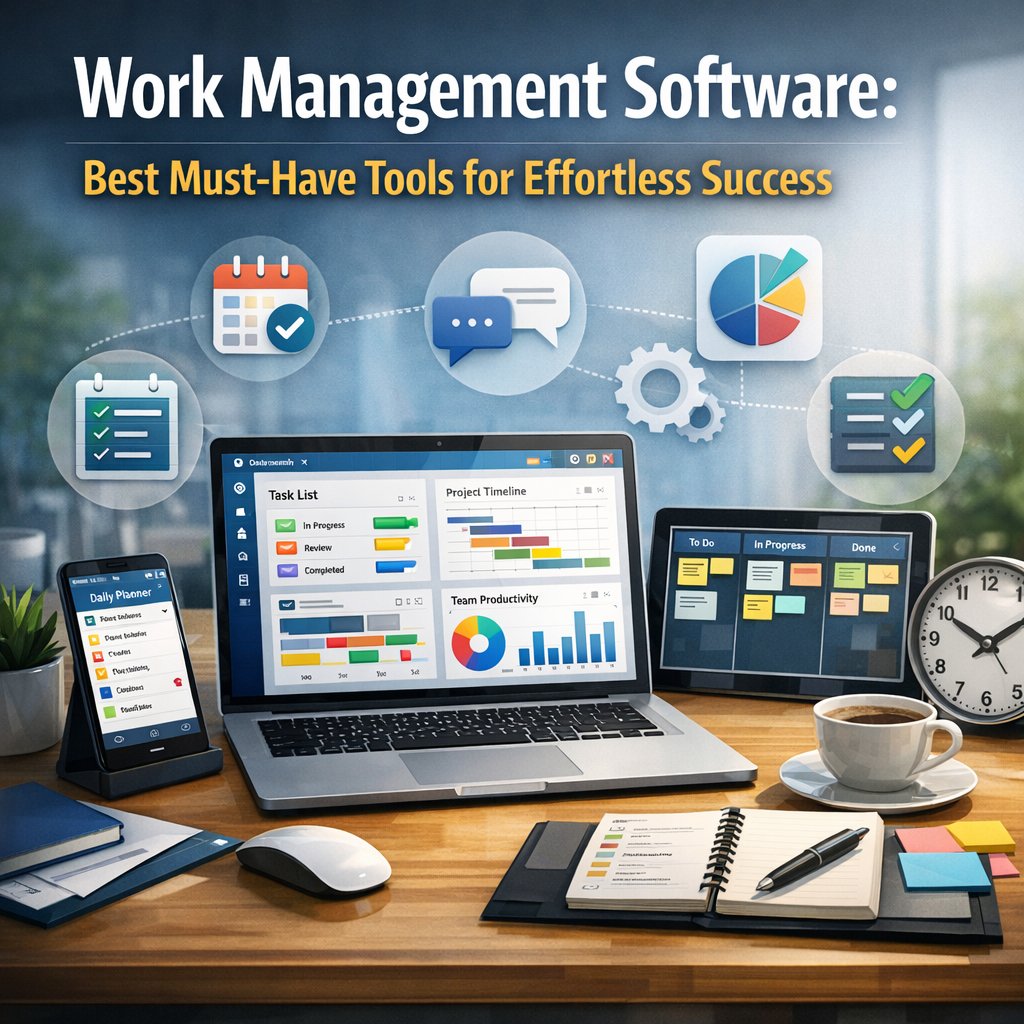
Before diving into specific tools, it’s important to understand why work management software has become indispensable across industries. Work management software is designed to help teams plan, track, and execute their tasks effectively. It offers a centralized platform where assignments, documents, timelines, and communications are seamlessly integrated.
The right software can eliminate common project challenges such as miscommunication, missed deadlines, and inefficient resource allocation. With the increasing complexity of projects and remote work setups, these tools serve as the backbone for organized, transparent, and productive work environments.
Key Features to Look for in Work Management Software
When choosing a work management tool, certain features stand out as essential for ensuring smooth operations:
Task and Project Tracking
At its core, work management software should offer comprehensive tracking of tasks and projects. This involves setting priorities, deadlines, and tracking progress to ensure timely completion.
Collaboration Capabilities
Effective communication is critical. Features such as real-time messaging, shared workspaces, and comment threads enable team members to stay connected and aligned.
Resource Management
Managing resources—whether personnel, budget, or time—is simplified through visual dashboards and allocation tools, helping managers avoid overloading team members or underutilizing assets.
Integration with Other Tools
Modern work management solutions often integrate with calendars, email platforms, and document storage services, creating a unified workspace.
Reporting and Analytics
Insightful reports help teams analyze performance, identify bottlenecks, and make data-driven decisions to improve future workflows.
Best Work Management Software Tools for Effortless Success
Now that the fundamental features are clear, let’s explore top-rated tools that exemplify these qualities and are favored by businesses worldwide.
1. Asana – Streamlined Task Management with Versatility
Asana is a highly popular platform known for its intuitive interface and strong task management capabilities. It enables users to break projects into manageable tasks, assign responsibility, set due dates, and visualize progress through boards or timelines.
Asana’s robust collaboration features allow team members to comment directly on tasks, share files, and receive notifications. Its flexibility makes it suitable for a variety of team sizes and industries, making it a top choice for ensuring work flows effortlessly.
2. Trello – Visual Simplicity for Agile Teams
Trello uses a card and board system that visually represents tasks and workflows. This makes it especially appealing for teams that prefer a simple, drag-and-drop interface to track work stages.
The tool supports integrations with services like Slack, Google Drive, and Jira, boosting productivity by centralizing information. Trello’s free tier is particularly attractive for startups and small teams seeking an effective yet straightforward work management solution.
3. Monday.com – Customizable and Scalable Workflows
Monday.com stands out for its highly customizable dashboards and ability to adapt to complex project needs. From small tasks to large projects involving multiple teams, Monday.com provides a clear overview of work status, deadlines, and dependencies.
Automation rules reduce manual updates, and built-in communication tools enhance team engagement. The ability to tailor workflows according to unique business processes makes Monday.com a comprehensive work management platform.
4. ClickUp – All-in-One Productivity Suite
ClickUp markets itself as an all-in-one solution, combining project management, document collaboration, time tracking, and goal setting. It offers a wide array of views — including list, board, and calendar — allowing users to find their optimal way to manage tasks.
Its powerful integrations and automation capabilities help teams minimize administrative work, promoting a focus on essential project activities.
5. Wrike – Robust Enterprise-Level Project Management
For larger organizations requiring enterprise-grade management tools, Wrike offers advanced features such as workload management, custom workflows, and detailed analytics.
Wrike’s secure platform supports compliance standards and integrates with tools like Salesforce and Microsoft Teams. This makes it ideal for coordinating complex projects across distributed teams without compromising on control or visibility.
Tips for Choosing the Right Work Management Software
Selecting the right software depends on your team’s size, project complexity, and preferred workflows. Here are some tips to guide your decision:
– Assess Your Team’s Needs: Understand what features are critical and whether a simple or advanced tool fits your current requirements.
– Consider User Experience: A user-friendly interface encourages team adoption and reduces training time.
– Evaluate Integration Options: Ensure the software can connect with your existing tools to avoid workflow disruptions.
– Trial Before Commitment: Most platforms offer free trials or freemium versions—use these opportunities to test suitability.
– Budget Considerations: Balance functionality with cost, keeping in mind potential ROI through improved productivity.
Conclusion
Selecting the right work management software can be a game-changer for any team, driving efficiency, enhancing collaboration, and making complex projects more manageable. Tools such as Asana, Trello, Monday.com, ClickUp, and Wrike represent must-have options that cater to various business needs.
By embracing these digital solutions and tailoring choices to your specific workflows, achieving effortless success becomes not just a goal but a reliable outcome. Investing time in choosing the right platform today can lead to smoother projects, happier teams, and sustained organizational growth tomorrow.