Work Management Software Tools: Best Must-Have Platforms for Success
Work Management Software Tools: Best Must-Have Platforms for Success
In today’s fast-paced business world, staying organized and efficient is crucial for success. Companies and teams, regardless of size or industry, are increasingly turning to work management software tools to streamline operations, improve collaboration, and boost productivity. These platforms offer a centralized hub for managing tasks, projects, timelines, and communication, making it easier to meet deadlines and deliver quality results. Understanding which tools are essential and how they can impact your workflow is key to optimizing your team’s performance and driving business growth.
What Are Work Management Software Tools?
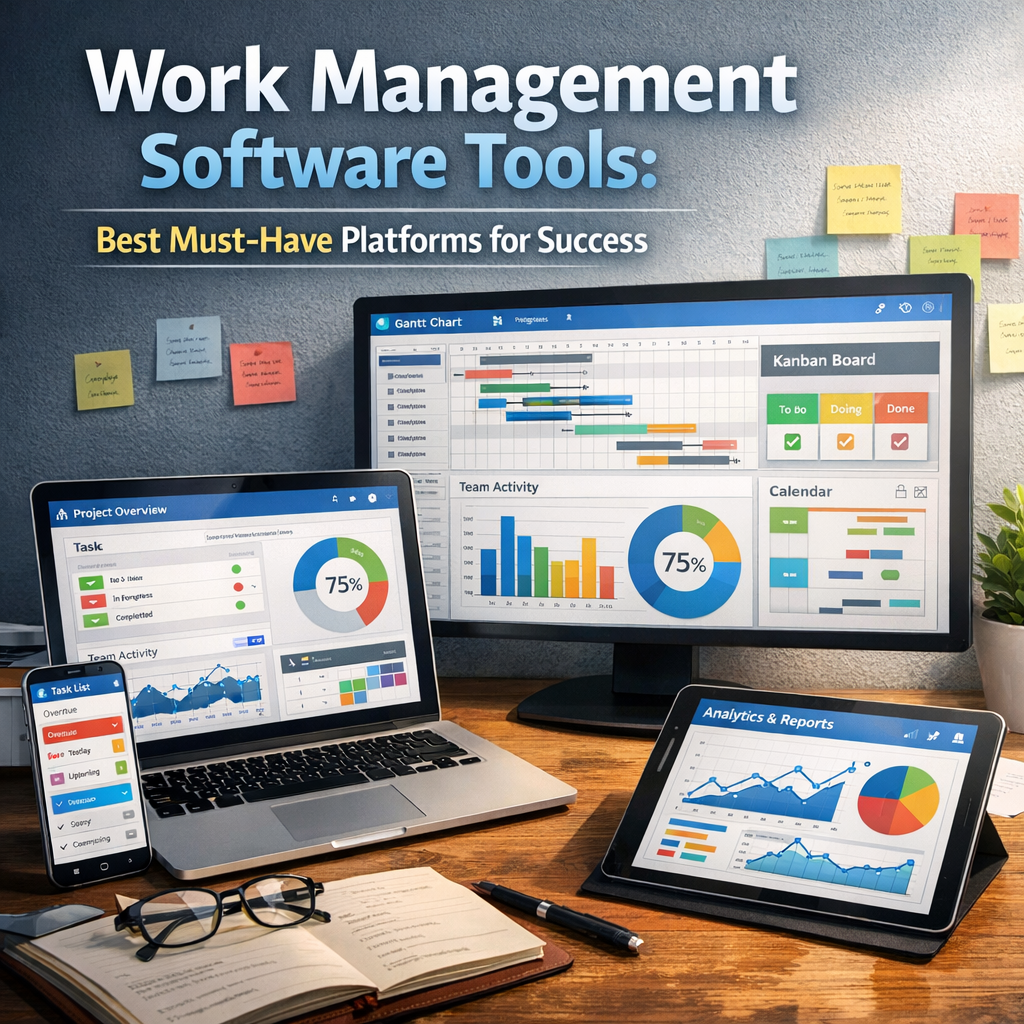
Work management software tools are digital platforms designed to help individuals and teams plan, track, and execute work more effectively. Unlike simple task lists or calendars, these solutions integrate various functionalities such as project planning, resource allocation, time tracking, and communication in one accessible interface. They enable users to visualize workloads, monitor progress, and coordinate efforts seamlessly, which is especially important for remote or distributed teams.
Work management software tools vary widely in terms of features and complexity, catering to different use cases from personal task management to enterprise-level project oversight. The best platforms combine user-friendly design with robust customization options, allowing teams to tailor workflows to their specific needs.
Key Benefits of Using Work Management Platforms
Before diving into the must-have platforms, it’s important to highlight the main advantages that work management software tools offer:
– Enhanced Collaboration: By providing a shared space where all stakeholders can communicate, share files, and update statuses, these tools eliminate siloed information and reduce miscommunication.
– Improved Visibility: Managers and team members gain real-time insights into project timelines, individual workloads, and potential bottlenecks, enabling timely intervention and better decision-making.
– Increased Efficiency: Automating routine processes and simplifying task assignments save valuable time and reduce administrative overhead.
– Accountability and Transparency: Clear task ownership and progress tracking foster responsibility and transparency within teams, helping to meet deadlines consistently.
– Scalability: As organizations grow, work management software tools adapt to changing demands, supporting larger projects and more complex workflows without compromising usability.
Best Must-Have Work Management Software Platforms
1. Asana
Asana is one of the leading work management platforms that has gained popularity for its intuitive interface and flexibility. It offers comprehensive project tracking, task dependencies, timelines, and customizable workflows. The ability to integrate with other popular tools like Slack, Google Drive, and Microsoft Teams adds to its versatility. Asana’s focus on ease of use makes it suitable for startups as well as large enterprises looking for a scalable solution.
2. Trello
Trello uses a visual board and card system that is incredibly user-friendly, making it a favorite for teams who prefer a straightforward, kanban-style approach to work management. It excels in task organization and workflow visualization. Trello also offers automation features through its Butler tool, streamlining repetitive tasks. It’s ideal for creative teams, marketing departments, and smaller groups needing a simple yet effective tool.
3. Monday.com
Monday.com stands out with its highly customizable dashboards and extensive automation capabilities. This platform supports a variety of project methodologies, including Agile, Scrum, and Waterfall. Its broad feature set covers everything from time tracking to resource management. With powerful integration options, Monday.com provides a comprehensive ecosystem for teams focused on efficiency and collaboration.
4. Microsoft Planner
For organizations already using Microsoft 365, Microsoft Planner is a natural addition. It integrates seamlessly with Outlook, Teams, and SharePoint, offering task assignment, progress tracking, and group collaboration in a familiar environment. It is particularly beneficial for enterprises looking to utilize tools within the Microsoft ecosystem without the need for additional software investments.
5. ClickUp
ClickUp is an all-in-one work management platform praised for its flexibility and rich set of features. It combines task management, document sharing, goal tracking, and even time logging into a single interface. Highly customizable with numerous templates and views, ClickUp caters to diverse teams, including project managers, developers, marketers, and operations staff.
How to Choose the Right Work Management Software Tool
Selecting the right platform depends on several factors:
– Team Size and Structure: Smaller teams might prefer simpler tools, while larger organizations often need more comprehensive solutions with advanced reporting and integration.
– Nature of Work: The specific workflows, project types, and collaboration needs greatly influence which features are essential.
– Budget Considerations: While many tools offer free versions or trials, premium plans provide access to advanced capabilities. Balancing cost with features is important.
– Integration Requirements: Ensuring the tool works well with existing software infrastructure is critical for seamless adoption.
– User Experience: Adoption hinges on ease of use; tools with intuitive interfaces encourage greater engagement and minimize training time.
Conclusion
Work management software tools have become indispensable in today’s competitive business landscape. Choosing the right platform can revolutionize how teams organize tasks, communicate, and deliver projects on time. From versatile solutions like Asana and Monday.com to simple, visual tools like Trello, the options available empower organizations to find the perfect fit for their unique needs. Investing in the right technology not only boosts productivity but also fosters a culture of transparency and collaboration, which ultimately leads to sustained success. Keeping these insights in mind will help you leverage the best work management software platforms to achieve your business goals efficiently and effectively.